Not every home gets bright sunlight. Some rooms have small windows, face away from the sun, or simply stay dim throughout the day. The good news is that you can still enjoy beautiful greenery indoors. Many low light houseplants can grow well with limited natural light and add life to spaces that might otherwise feel dull.
Choosing the right plant makes indoor gardening much easier. The best low light houseplants can handle indirect light, adapt to different rooms, and require less attention than wide sun-loving varieties. Whether you are new to plants or already have a growing collection, these options are worth considering.
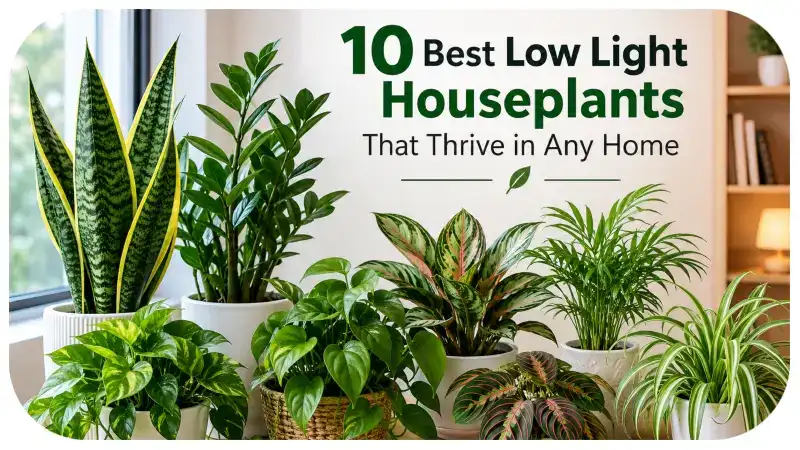
1. Snake Plant
The snake plant is one of the easiest indoor plants to grow. Its tall, upright leaves look modern and work well in bedrooms, offices, hallways, and living rooms.
Snake plants tolerate low light, although they may grow faster when they receive bright indirect light. They also handle periods of dry soil, making them a good choice for busy plant owners.
Let the soil dry out between waterings. Avoid keeping the roots constantly wet because excess moisture can lead to root problems.
2. ZZ Plant
The ZZ plant has glossy green leaves and a naturally attractive shape. It is especially popular with people who want an indoor plant that does not demand much attention.
This plant can tolerate low-light conditions and does well in offices, apartments, and rooms with limited windows. Its thick underground rhizomes store water, so it can handle occasional missed waterings.
Water when the soil has dried out. Keep the plant away from constantly wet conditions.
3. Pothos
Pothos is a classic indoor plant known for its trailing vines. You can place it on a shelf, hang it from a basket, or allow its vines to grow down from a cabinet.
Pothos can adapt to lower light, although varieties with strong leaf patterns may lose some of their color when light levels stay very low.
Water when the top portion of the soil feels dry. Trim long vines when needed to encourage a fuller appearance.
4. Heartleaf Philodendron
Heartleaf philodendron offers attractive, heart-shaped leaves and flexible growth. It is another excellent option for rooms that do not receive much direct sunlight.
The plant prefers bright, indirect light but can adapt to lower-light areas. Its trailing growth makes it useful for shelves and hanging planters.
Keep the soil lightly moist but allow the surface to dry somewhat between waterings. Avoid placing it directly against a cold window or near strong drafts.
5. Cast Iron Plant
The cast iron plant has earned its name for a reason. It is known for being tough and adaptable, making it useful for indoor spaces where other plants may struggle.
It can tolerate low light and does not require frequent watering. Its broad, dark green leaves can also bring a rich, natural look to darker corners.
Give it well-draining soil and water when the soil begins to dry. Avoid overwatering.
6. Chinese Evergreen
Chinese evergreen, also called Aglaonema, comes in many leaf patterns and shades. This gives you plenty of choices when decorating your home.
Many varieties tolerate lower light, though their exact needs can differ. Plants with more colorful or patterned leaves may need somewhat brighter indirect light to maintain their appearance.
Keep the soil moderately moist while avoiding soggy conditions. Wipe the leaves occasionally to remove dust and help the plant look its best.
7. Parlor Palm
If you want a softer, tropical look, consider a parlor palm. Its delicate fronds can make a room feel more inviting without requiring strong sunlight.
Parlor palms generally prefer bright, indirect light but can tolerate lower light than many other palm varieties. They grow slowly indoors, which means they usually do not require constant pruning.
Water when the upper layer of soil begins to dry. Good drainage is important for healthy roots.
8. Dracaena
Dracaena plants come in several forms, with long leaves that can create a striking indoor display. They work particularly well in living rooms, offices, and entryways.
Many dracaena varieties can tolerate lower light. However, growth may slow when light is extremely limited.
Allow the soil to dry partially between waterings. Place the plant somewhere with stable temperatures and protect it from cold drafts.
9. Prayer Plant
Prayer plants are known for their beautifully patterned leaves. Their leaves can also move throughout the day, creating an interesting display.
They generally prefer indirect light and can handle moderate to lower light conditions. However, very dark spaces may reduce growth and leaf coloration.
Prayer plants appreciate consistent moisture and higher humidity than some of the tougher plants on this list. Avoid letting the soil become completely dry for long periods.
10. Spider Plant
Spider plants are beginner-friendly houseplants with long, arching leaves. Mature plants can also produce small plantlets that hang from the stems.
They prefer bright, indirect light but can adapt to lower-light areas. They are a practical choice for bedrooms, offices, and living spaces.
Water when the soil begins to dry, and make sure excess water can drain from the container.
How to Choose the Best Low Light Houseplants
Not every dark room has the same conditions. Before choosing a plant, look at how much natural light enters the space during the day.
A room with a north-facing window may provide useful indirect light. A room with no windows at all is different. In very dark spaces, even plants known for tolerating low light may struggle over time.
Consider the size of the room, your watering habits, and how much care you want to provide. If you often forget to water, a snake plant or ZZ plant may suit you better. If you want trailing growth, pothos or heartleaf philodendron could be a better match.
Tips for Growing Low Light Houseplants
Low light does not mean no care. A few simple habits can help your plants stay healthy.
Avoid overwatering: Plants in lower light often use water more slowly. Check the soil before watering instead of following a strict schedule.
Use drainage: Choose containers with drainage holes. Excess water should have a way to escape.
Rotate your plants: Turning the pot occasionally can help the plant receive light more evenly.
Clean the leaves: Dust can collect on indoor leaves. Gently wiping them can improve their appearance.
Watch for growth changes: If a plant becomes unusually stretched, pale, or weak, it may need more light.
Give plants enough space: Good airflow around the leaves can help create a healthier indoor environment.
Can Low Light Plants Grow Without Windows?
Plants need light for photosynthesis, so a completely dark room is not suitable for long-term plant growth. If a room receives almost no natural light, a suitable grow light can provide the energy the plant needs.
You do not need to move every plant into direct sunlight. In fact, sudden exposure to strong sunlight can stress plants that have adapted to lower light.
Instead, make changes gradually and pay attention to how the plant responds.
Common Mistakes to Avoid
One of the biggest mistakes indoor gardeners make is assuming that low light means the plant needs more water. In reality, lower light can slow plant growth and water use.
Another mistake is placing a plant in a completely dark corner simply because it is labeled as a low-light variety. Low-light tolerance does not mean the plant can survive without light.
Choosing the right potting mix also matters. Poor drainage can keep roots wet for too long and create problems.
Finally, avoid moving plants around constantly. Give a new plant time to adjust to its environment before making major changes.
Final Thoughts
Adding plants to a dim room does not have to be difficult. From tough snake plants and ZZ plants to trailing pothos and colorful Chinese evergreens, there are plenty of options for indoor gardeners.
The best low light houseplants are those that match your home’s actual conditions and your personal care routine. Give them suitable light, proper drainage, and the right amount of water, and they can bring natural beauty to your home for years.
For more information, visit our site daily.