A well-designed home is about more than expensive furniture or impressive decorations. True luxury comes from thoughtful choices, comfortable spaces, quality materials, and a design that reflects the people who live there. This is where the luxuryinteriorsorg blog can provide useful inspiration for anyone interested in creating a more refined interior.
Luxury interior design does not always require a huge budget. With the right approach, you can improve an ordinary room through better lighting, balanced colours, carefully selected furniture, and attractive details. The key is to create a space that feels elegant without becoming uncomfortable or overly decorated.
What Does Luxury Interior Design Really Mean?
Luxury interior design focuses on quality, proportion, comfort, and visual harmony. It is not simply about filling a room with expensive products.
A luxurious space usually feels intentional. Each piece has a purpose, and the room has a clear visual direction. Materials such as natural wood, stone, metal, glass, wool, and linen can add depth and character when used thoughtfully.
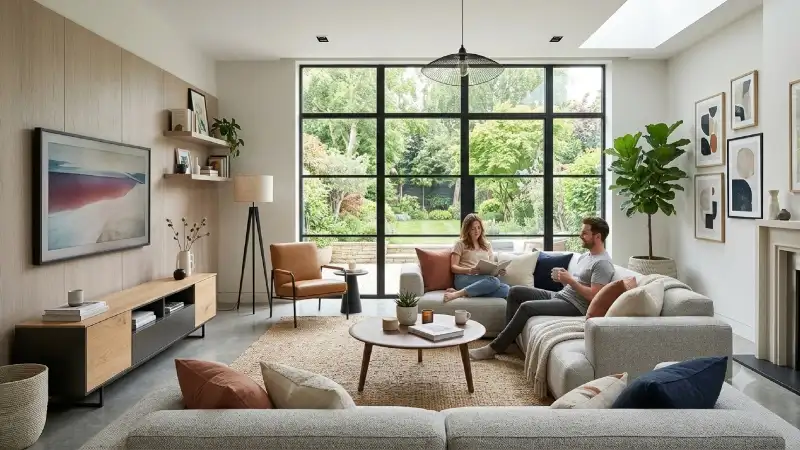
For example, a simple living room can feel more sophisticated with a well-made sofa, layered lighting, a textured rug, and a few carefully chosen accessories. You do not need dozens of decorative items to create an impressive result.
When writing about luxuryinteriorsorg blog, it is useful to focus on this wider meaning of luxury rather than treating luxury as a synonym for high prices.
Start With the Layout
Before buying anything, consider how people will actually use the room.
A beautiful sofa may look impressive online, but it will not improve a space if it blocks a walkway or makes conversation difficult. Start by measuring the room and identifying doors, windows, heating units, electrical outlets, and natural movement paths.
In a living room, for example, arrange seating so people can comfortably talk while maintaining enough space to move around. In a bedroom, leave practical clearance around the bed and make sure storage remains easy to access.
Good planning creates the foundation for an elegant interior.
Choose a Balanced Colour Palette
Colour has a major influence on how a room feels. Luxury interiors often use restrained palettes rather than relying on too many competing shades.
Neutral colours such as cream, beige, taupe, soft grey, and warm white can create a calm foundation. You can then introduce darker or richer tones through furniture, artwork, cushions, curtains, or accessories.
For instance, a warm neutral living room can gain character from dark wood furniture and a few deep-coloured accents. The result feels sophisticated without becoming visually overwhelming.
The important point is consistency. Your colours should work together across walls, flooring, furniture, textiles, and decorative elements.
Invest in Quality Where It Matters
Luxury does not mean replacing everything with premium products. Instead, consider where quality will make the biggest practical difference.
A sofa, mattress, dining table, or frequently used chair deserves careful attention because you interact with it regularly. Look at construction, materials, comfort, maintenance requirements, and expected durability.
Decorative pieces can be more affordable if they have the right shape, finish, and visual impact.
A useful strategy is to combine a few high-quality focal pieces with simpler supporting items. This approach can make a room feel polished while keeping the overall budget under control.
Use Lighting to Create Atmosphere
Lighting is one of the most effective ways to improve an interior.
A single ceiling light can make a room functional, but layered lighting can make it feel much more inviting. Consider combining ambient lighting with task and accent lighting.
For a living room, this might include:
- A central ceiling fixture for general illumination
- Floor or table lamps for reading
- Wall lights for additional warmth
- Accent lights to highlight artwork or architectural details
Whenever possible, make use of natural daylight. Sheer curtains can allow sunlight into a room while maintaining some privacy, while heavier curtains can provide control in the evening.
The luxuryinteriorsorg blog concept works especially well when design is considered from both a visual and practical perspective. Lighting demonstrates this perfectly: it should look attractive while also supporting everyday activities.
Add Texture for Depth
A room can have a beautiful colour scheme and still feel flat. Texture helps solve that problem.
Think about combining different surfaces and fabrics. A smooth stone table can contrast with a soft wool rug. Linen curtains can work alongside polished metal fixtures. Wooden furniture can add warmth to an otherwise neutral setting.
You do not need to use many textures. Two or three strong contrasts can often create enough visual interest.
Texture becomes particularly important in neutral interiors because it prevents similar colours from making everything appear too uniform.
Make Furniture the Foundation
Furniture determines much of a room’s character.
Instead of following every design trend, choose pieces that suit the size and purpose of your space. Oversized furniture can make a small room feel cramped, while furniture that is too small can make a large room feel unfinished.
Pay attention to scale and proportion. A large coffee table may work well with a generous sectional sofa, but it could overwhelm a compact seating arrangement.
The best furniture choices balance appearance with comfort. After all, a luxury home should be enjoyable to live in, not simply attractive in photographs.
Use Statement Pieces Carefully
A statement piece gives a room a focal point. It could be an unusual light fixture, a large artwork, an elegant mirror, a sculptural chair, or a distinctive piece of furniture.
However, using too many statement pieces can create competition.
Choose one main feature and allow surrounding elements to support it. For example, if your dining room has a striking chandelier, keep the artwork and accessories relatively restrained.
This creates visual hierarchy and makes the main feature more noticeable.
Bring Nature Indoors
Plants, flowers, natural wood, stone, and other organic materials can make interiors feel more comfortable and welcoming.
A large plant can fill an empty corner, while smaller plants can add life to shelves or side tables. Fresh flowers can also provide a simple seasonal update.
Natural materials have another advantage: they often age gracefully. Wood develops character over time, while natural stone can add subtle variation that manufactured surfaces may not provide.
Keep Clutter Under Control
One of the easiest ways to make an interior feel more refined is to reduce unnecessary clutter.
This does not mean creating an empty, lifeless room. Instead, give important objects enough space to stand out.
Use closed storage for everyday items that do not need to remain visible. Keep surfaces relatively clear and display only pieces that contribute to the room’s character.
A well-organised space often feels more luxurious because the eye can appreciate the architecture, furniture, lighting, and materials without constant distractions.
Personal Style Matters
Following design trends can provide inspiration, but your home should not look like a showroom.
Include objects that have personal meaning. Family photographs, travel souvenirs, books, artwork, or inherited furniture can make a space feel authentic.
The goal is not to copy a particular interior exactly. Instead, use design ideas as a starting point and adapt them to your lifestyle.
This is an important principle when exploring the luxuryinteriorsorg blog approach: elegant design should still feel personal and practical.
Common Luxury Interior Design Mistakes
Even expensive interiors can look unbalanced when basic design principles are ignored.
Some common mistakes include:
- Buying furniture without measuring the room
- Using too many decorative accessories
- Choosing style over comfort
- Relying on one lighting source
- Mixing too many unrelated colours
- Following trends without considering personal taste
- Ignoring storage needs
- Selecting materials that are difficult to maintain
Avoiding these mistakes can make a bigger difference than simply spending more money.
How to Create Luxury on a Realistic Budget
You can achieve an elegant look without renovating the entire home.
Start with changes that provide strong visual impact. Repainting the walls, replacing outdated lighting, adding curtains, upgrading hardware, introducing a quality rug, or rearranging furniture can dramatically change a room.
You can also prioritise one room at a time. Instead of buying everything at once, create a plan and gradually improve the space.
For example, begin with the living room’s layout, then improve lighting, followed by textiles and accessories. This allows you to see what the room actually needs before spending more.
Final Thoughts
Luxury interior design is ultimately about thoughtful decisions rather than price tags. A successful interior combines comfort, proportion, quality, lighting, colour, texture, and personal character.
The luxuryinteriorsorg blog provides a useful concept for exploring these ideas, but the best design solutions are those that fit your own home and lifestyle. Start with the fundamentals, avoid unnecessary clutter, choose quality where it matters, and make changes gradually.
Whether you are refreshing a single bedroom or planning a complete home makeover, elegant design begins with understanding how the space should look, feel, and function. When those three elements work together, even simple interiors can create a genuinely luxurious experience. For more information, visit our site daily.